Pages

Thursday, 22 June 2017

buisness and enterprise today

today we did alot of paper work and made our animal packages


my next step is to get breanna to do more work at paticipate as a group

Wednesday, 21 June 2017

Christchurch Water


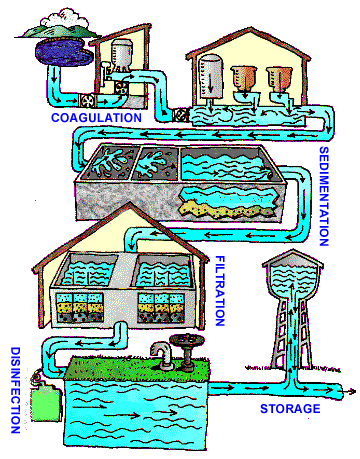
 Figure illustrating the water treatment cycle, showing coagulation, sedimentation, filtration, and disinfection1. chch storm water:                                                                                                   
                                                                                                                                    
what is it?    surface water in abnormal quantity resulting from heavy falls of rain or snow.        where does it go?  storm water goes directly into streams, rivers, ponds, lakes and wet and damp places.
 what contaminates it?  The water gets contaminated by difrent types of rubbish such as cigarettes ,cans, paper or plastic bags

2. chch waste water: 
what is it? The ccc maintains wastewater systems to provide the community with a safe and healthy environment through the appropriate treatment.
where does it go? chch waste water goes to a treatment plant.
what contaminates it: drug contaminated our waste water


3. where does chch get its water? chch gets its water from underground reservoirs.

how is it purified? chch water is treated in a special way if not treated right it can give you a disease called waterborne.
what pollutes our city water before we drink it?  trash pollutes the water

4. where does Aucklands water supply come from? Aucklands water supply comes from hunua and waitakere ranges together they supply 80 percent of the regions drinking water.

(more than one place)
5. what water borne diseases are parasites can we catch in nz?  ( hopefully not in chch!!!)
Diarrhoea,arsenicosis,typhoid,trachoma,schistosomiasis,malaria,intestinal worms,HIV/Aids,  guinea worm disease and fluorosis

What do they do to us ie how do they affect us?   All of these diseases can kill you

6. chch's waste water is treated after use.
where is it treated? at a water waste treatment plant one located in lyttelton.
what are the steps involved in treating it? they use filters
Wastewater treatment plant
What happens at each step? gutters leads to lakes and rivers
how long does each step take? each step takes about 5 mins.
Where does the treated wastewater go? the wastewater goes to a water plant to store the treated water to keep fresh.

7. small towns do not always treat their waste water in the same way as chch. TASK. name a small town that has a waste water treatment system.
waimangaroa is a small town with a water system
how do they treat their water? with water systems and they water their garden in special ways.
is it as good as chchs system? no it is not as good but it does its job and since its a small town with small numbers of people they dont need as much water as we do 

Thursday, 15 June 2017

cabbage chemistry

what does organic mean?
" is an indicators?

Prac:
Red cabbage is used as an indicator. It will change colour in acids and bases. Put a couple of drops of each test sample onto a spotting tray. Add a couple of drops of red cabbage. Note the colour.

Chemist

What does a chemist do?
Prac.   BIG PIECES/ small pieces

Use: Quiz Eze tablets
Expt: for each of the following use 60 ml water and record to dissolve completely. You will have 4 beakers.

A.  Use a hole tablet
B.  Cut 1 tablet in half and put both into the water.
C.  Cut 1tablet into 4 pieces and put all 4 pieces into the water.
D.  Crush 1tablet and add all of it into the water.


Results:

we need to chew the tablets up for a fast reaction and to dissolve quickly in your stomach a whole tablet takes about 30 minutes to dissolve completely half is about 20 minutes and in quarters 15 minutes where the chewed up one takes about 5 - 6 minutes minimum.


Thursday, 1 June 2017

Hokey pokey

 1.   5T sugar
       2T Golden syrup

2. 1t  baking soda


A.  Heat gently stir constantly

B. Add stir vigorously

Wednesday, 31 May 2017

Food Scientist - studies food


  • Look at : texture, taste
 Causes of food going off / bad making new foods.
Best ways to package food.
Shelf life ( how long the food lasts in good condition)
Evaluate the food.
Interaction of ingredients used.
Improving and changing flavours.
Affect of bacteria. ====>>
Spoil the food,causing illness.
Ways to presurve food e.g canning,freezing,bottling,adding salt adding preservative
Checking how cooking affects the ingredients.


SHERBET:
Quarter cup of icing sugar (6t)
1t Raro
Quarter t citric acid
Quarter t tartaric acid
Quarter t baking soda

Add together in plastic bag.
Mix
Enjoy


The taste was inbetween sweet and sour the texture was great I would not change anything about the sherbet it also had a slight tang and if I had too much in one go it got to tangy but whole of 8mt ate most of it in one go we all experienced the taste and flavour of it brang a WOW to my  tongue

Wednesday, 24 May 2017

FARMER

1. Entry requirements

There are no set requirements. You’ll need practical farming experience, gained by working as a supervisor, dairy or arable unit manager, or assistant manager.

Most farm managers have a qualification in agriculture, like a foundation degree, HND or degree in a subject like agriculture or farm business management. 

2. Skills required

You’ll need:
  • business management skills
  • the ability to organise and motivate staff
  • budgeting skills
  • the ability to find and develop new activities to keep the farm profitable

3. What you'll do

You could work on one of the main types of farm — livestock (animals), arable (crops) or mixed (animals and crops).

Your day-to-day tasks may include:

  • planning how the farm will run 
  • setting budget and production targets 
  • buying and selling animals or produce 
  • keeping financial and stock records 
  • recruiting, training and supervising staff
You may do practical farm work, like looking after livestock, driving tractors and other machinery, or harvesting crops. You may also have responsibility for other areas like a farm shop, horse riding facilities or tourist accommodation.

4. Salary

Starter: £20,000 to £22,000
Experienced: £23,000 to £35,000
Highly Experienced: £50,000 or over
You may be provided with rent-free accommodation or a vehicle. You may also get other benefits like farm produce.

These figures are a guide.

5. Working hours, patterns and environment

Your hours will vary depending on the time of year. At busy times you’re likely to work long hours, including early mornings, evenings and weekends.

You’ll work in an office and also outside in all weather conditions. 

6. Career path and progression

With experience, you could move into other areas, like agricultural advisory work for government bodies, consultancy or teaching.